
Azzuno Welder – MIG Welders & Plasma Cutters for Professional Results
Azzuno welder machines deliver professional welding and cutting performance for hobbyists and professionals alike. Choose from the portable 100Amp handheld MIG welder for light-duty projects or the powerful 200A MIG welder with dual voltage 110V/220V capability for versatile applications. The Azzuno 55Amp plasma cutter features non-touch pilot arc technology for clean, precise cuts. Quality welding equipment at accessible prices.

Azzuno Welders – Best Sellers
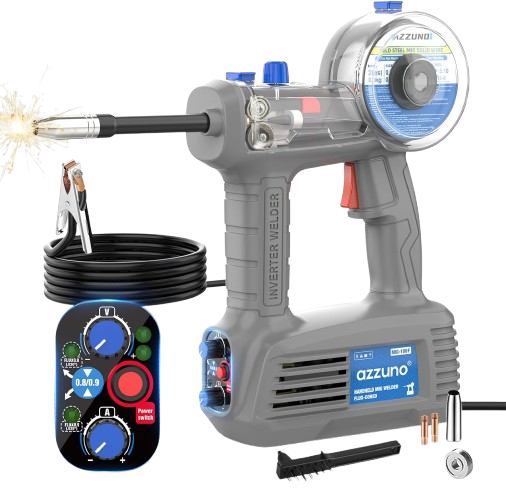
Handheld MIG Welder Machine
Built for convenience, this handheld MIG welder is lightweight and compact.
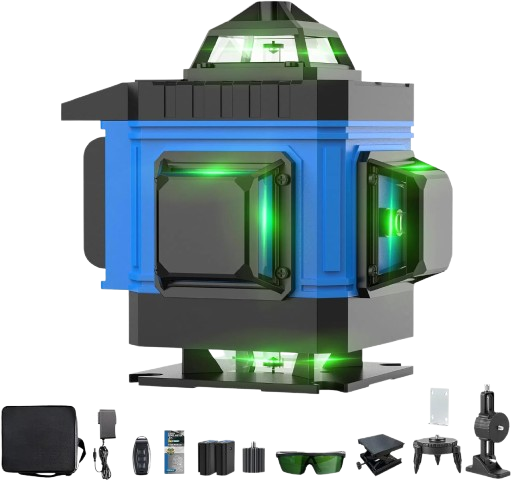
Leveling Green Beam with LCD Screen
With a 100 ft range and 1/4 inch accuracy, it offers reliable precision and performance.
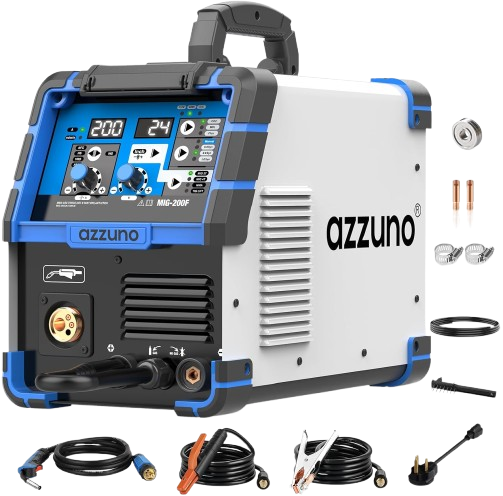
Dual Voltage multiprocess welder
This multifunctional welding machine supports MMA, Lift TIG, flux-cored MIG,.
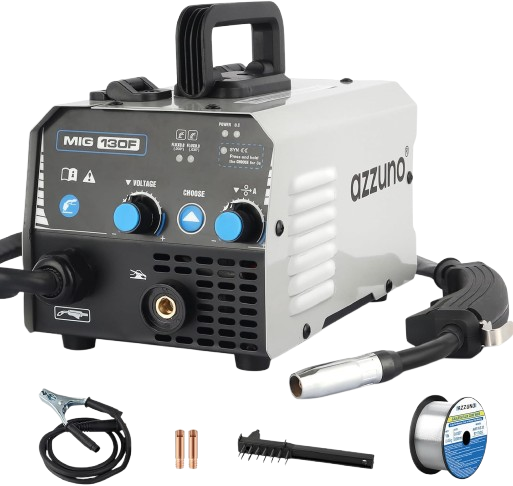
Flux Core Welder Machine
It works with many types of metals and alloys. Ideal for home use, DIY projects, beginners, and small-scale tasks.
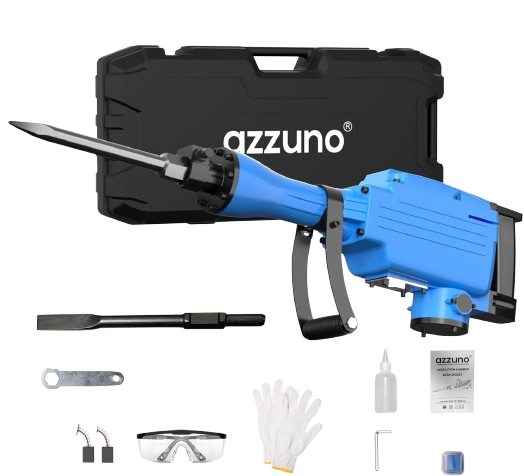
Demolition Jack Hammer Electric
This electric concrete breaker includes a 360° adjustable handle and a non-slip D-shaped grip for better positioning.
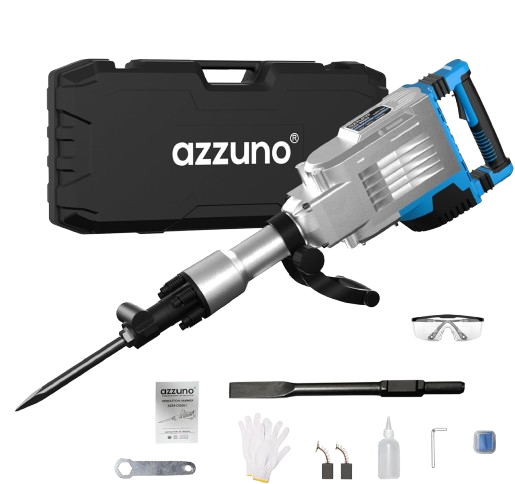
Electric Concrete Breaker
The cylinder offers strong sealing performance and pairs with a Ming alloy steel gear to provide stable power transmission.

Built in the Spark
Azzuno Welders started in a cramped garage in Phoenix back in 2018, born from pure frustration. Our founder, Marco Azzuno, kept burning through “professional-grade” welding gear that couldn’t handle the punishment of real shop work. After his third helmet failure in six months, he decided enough was enough. If the big brands wouldn’t build equipment that lasted, he’d do it himself.
What began as Marco modifying gear for his own fabrication shop quickly caught the attention of fellow welders. They wanted helmets that didn’t fog up after an hour. Gloves that actually protected without killing dexterity. Gear designed by someone who understood that twelve-hour shifts in July heat aren’t just numbers on a spec sheet—they’re reality. Word spread through the welding community the way it always does: over beers after work, between jobs, wherever craftsmen gather and talk shop.
Today, Azzuno operates out of a 30,000-square-foot facility, but we’re still that garage brand at heart. Every product gets tested by working welders before it ever sees a catalog. We don’t chase industry trends or flashy features. We build tools that work when you need them to work, period. Because at the end of the day, your reputation rides on every bead you lay down—and our reputation rides on making sure you can lay it down right.
Azzuno Welders – Categories
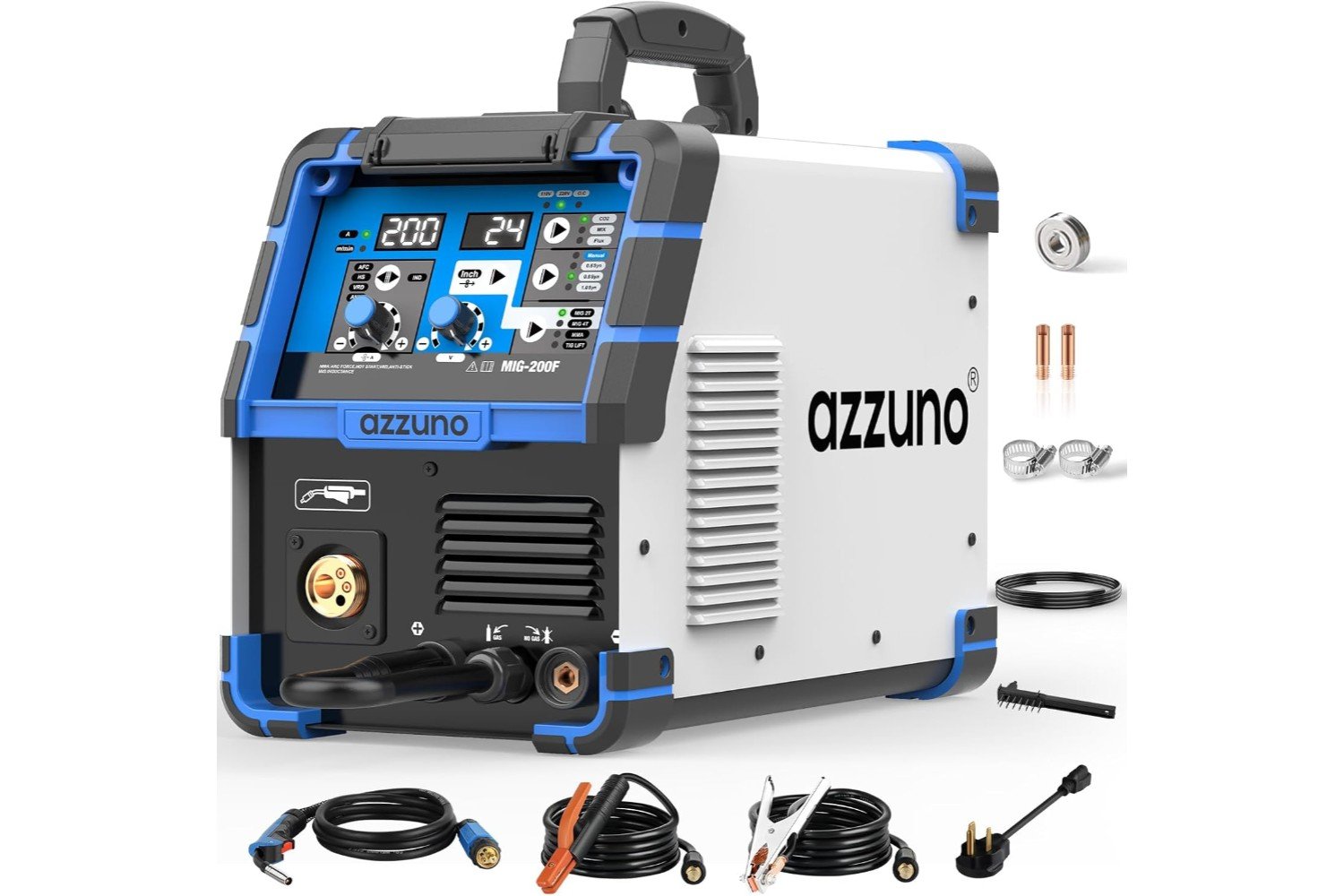
MIG Welders
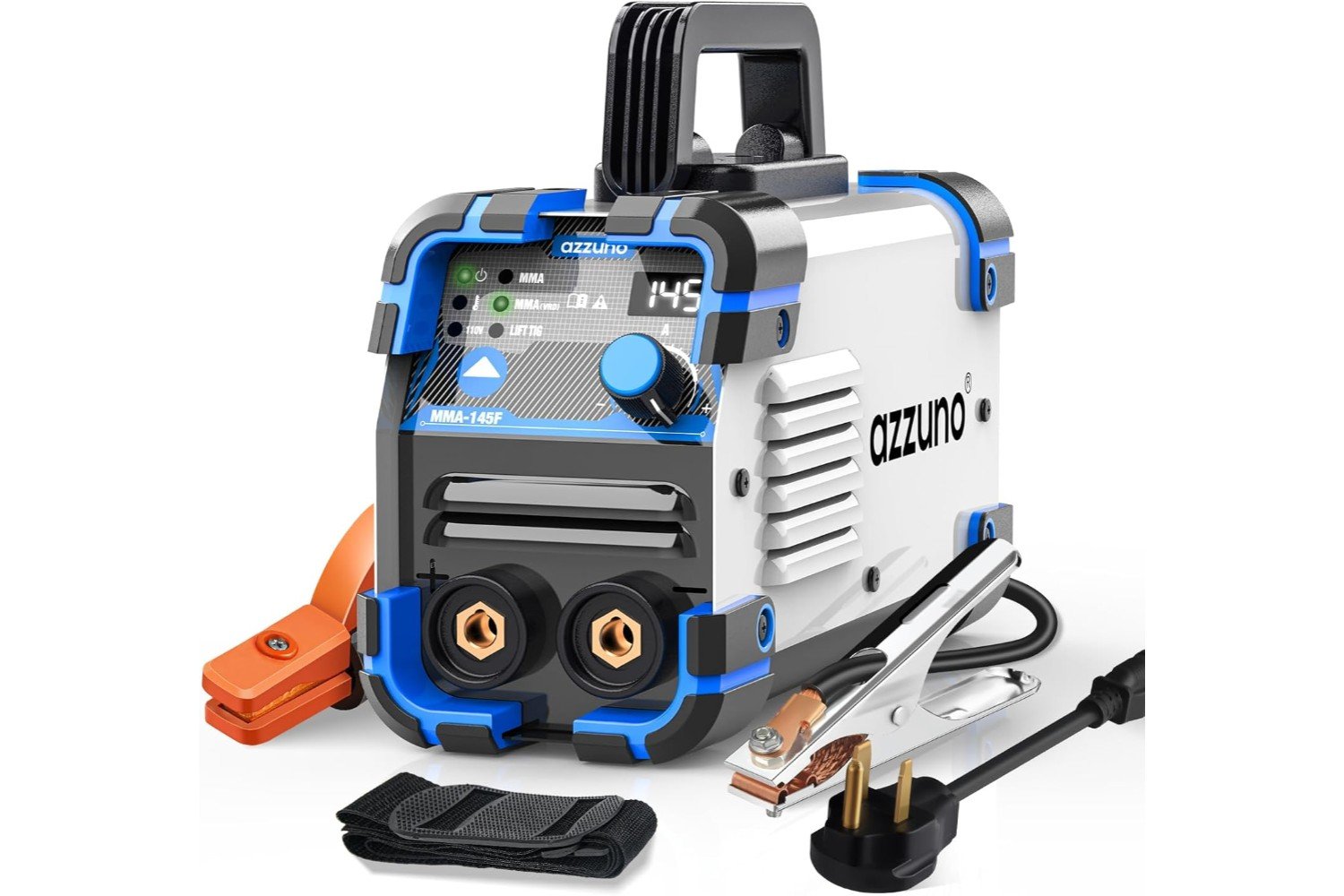
MMA Welders
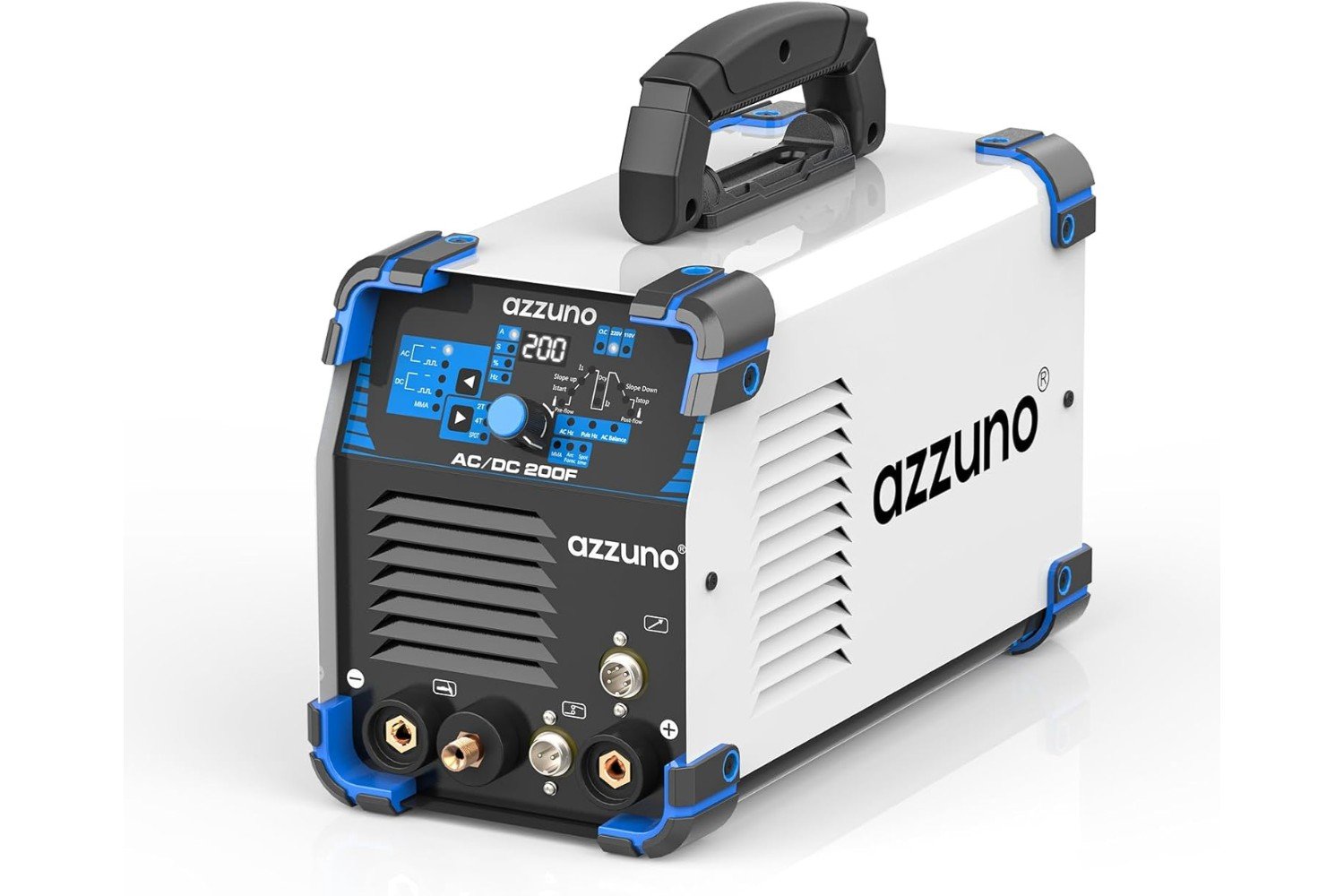
TIG Welders
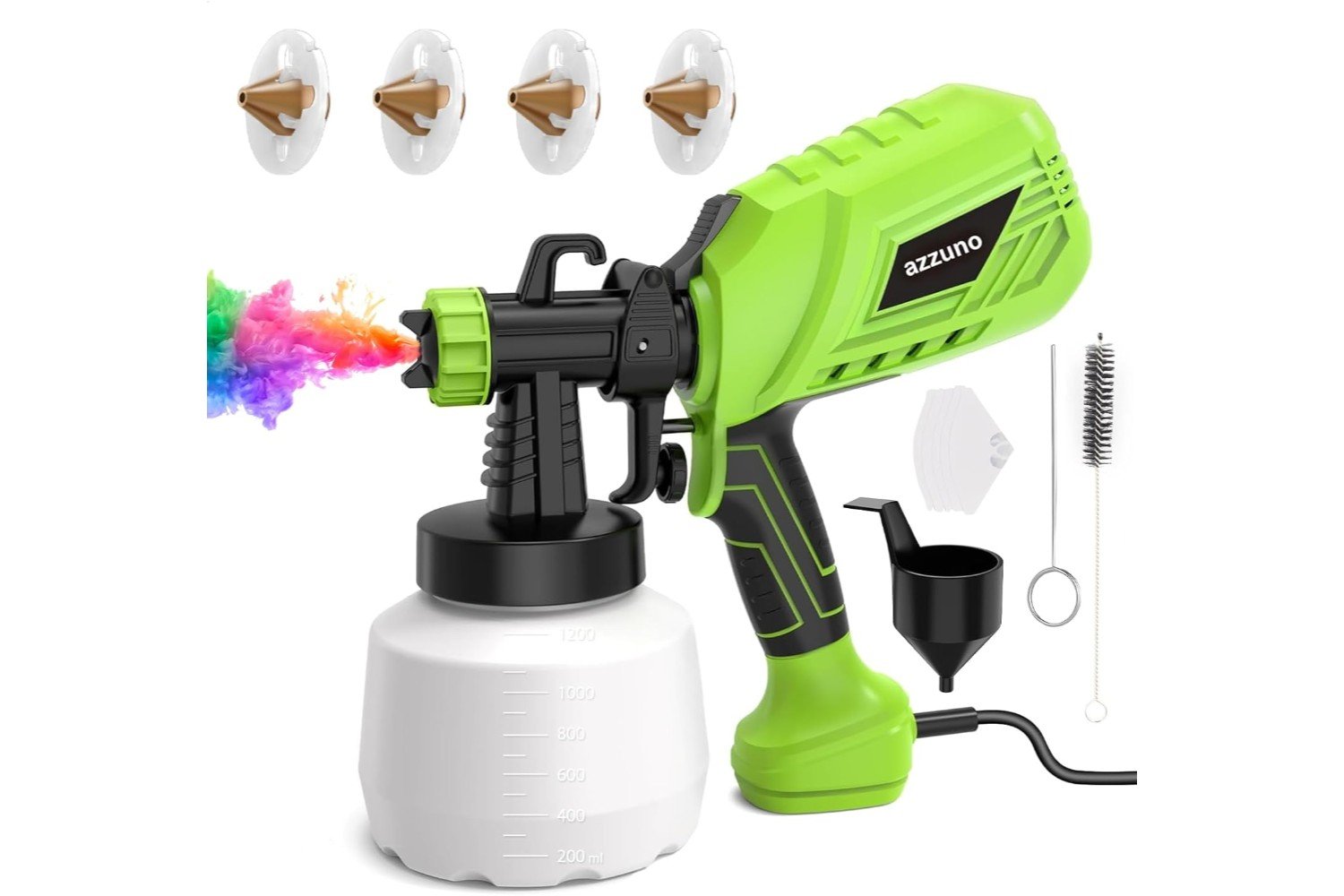
Paint Sprayers
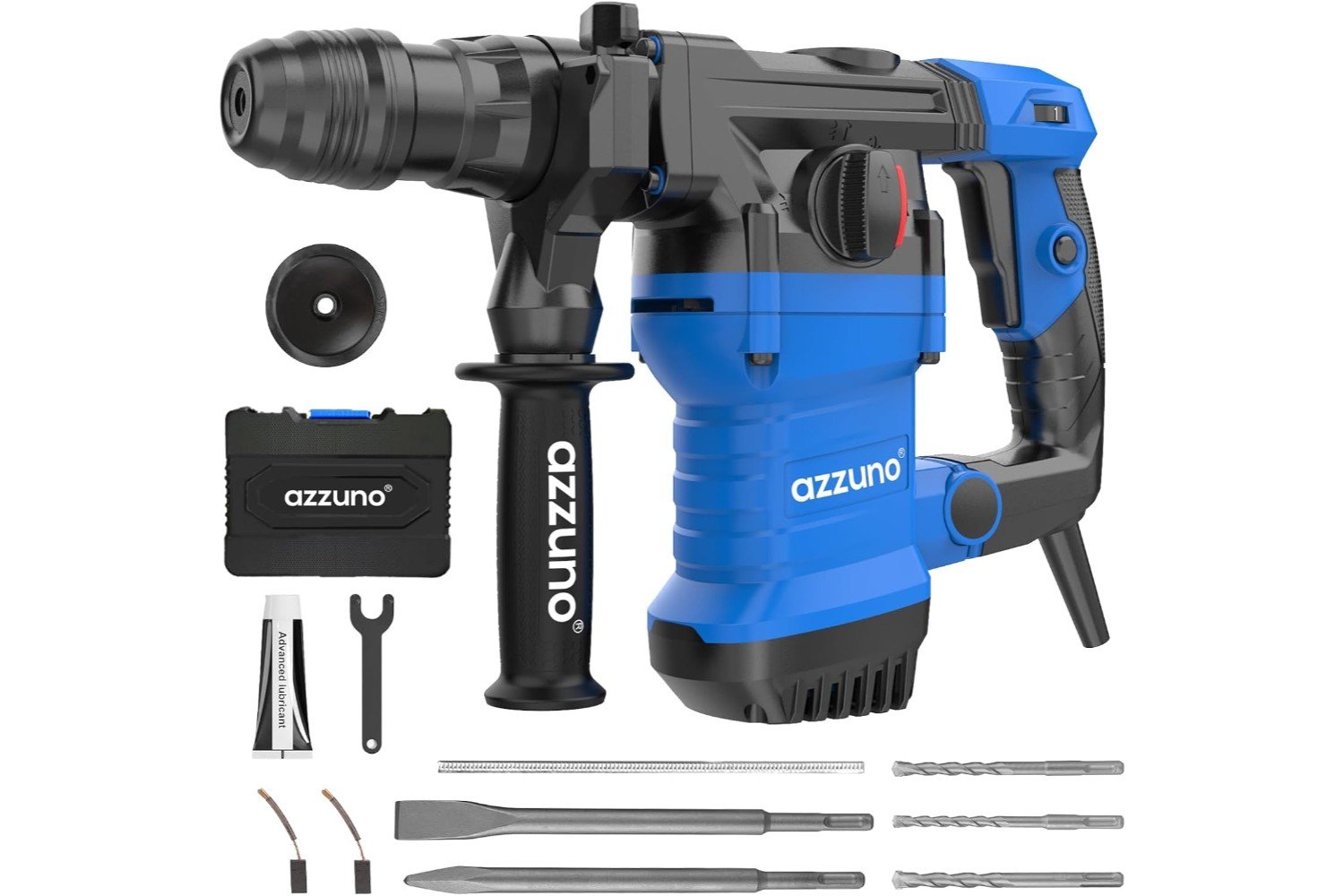
Garden Tools
Get Updates
Fresh content and announcements arrive monthly in the inbox.
Azzuno Welders – Accessories
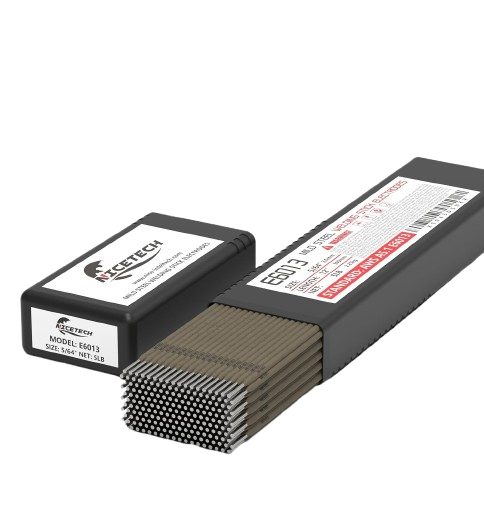
Welding Electrodes
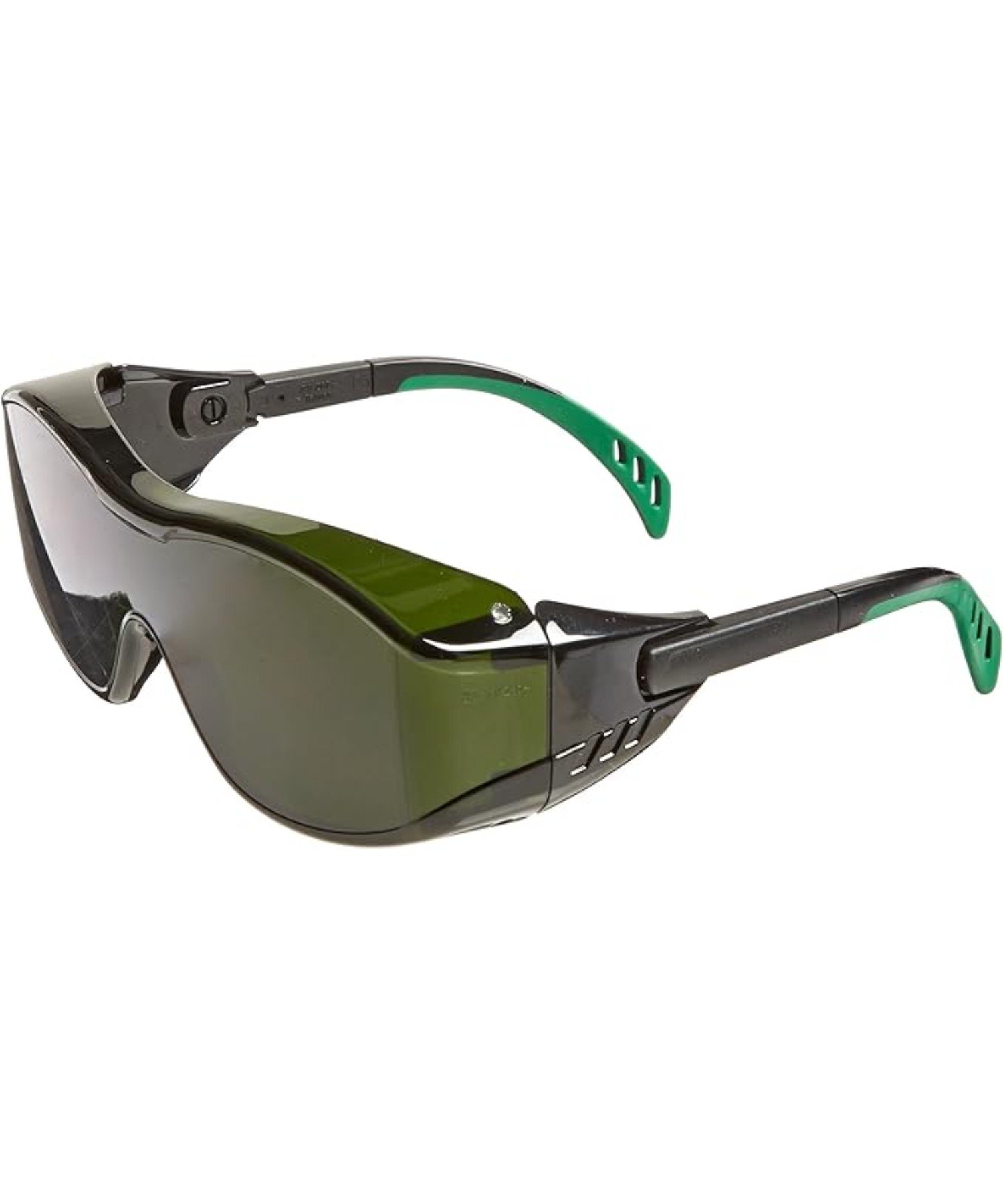
Protective Safety Glasses

Welding Protective Gloves
Azzuno Welder – Built for Professionals Who Demand More
Built for both beginners and experienced welders, the Azzuno welder delivers stable performance, clean welds, and easy setup. With versatile functions, durable construction, and intuitive controls, it’s a reliable tool for a wide range of welding tasks—whether at home or on the job site.
Consistent Arc Stability
Multi-Process Versatility
Extended Duty Cycles
Precision Control Interface
Common Questions
This unit handles MIG, TIG, and Stick welding processes. It comes equipped with the necessary connections and settings for each type, allowing operators to switch between processes based on project requirements. The control panel clearly marks each mode for easy selection.
Setup takes about 15-20 minutes out of the box. The color-coded connections and labeled ports make assembly straightforward. The manual includes clear diagrams, and most beginners report being ready to practice within half an hour. The automatic settings help newcomers get started without complex calculations.
The machine welds steel from 24 gauge sheet metal up to 3/8 inch plate in a single pass. For thicker materials, multiple passes work well. Aluminum capacity ranges from thin sheet up to 1/4 inch, while stainless steel performs best up to 5/16 inch thickness.
Standard household 120V outlets work for lighter tasks up to 1/8 inch steel. For full capacity welding, a 240V outlet provides the necessary power. Many users start with 120V for practice and smaller projects, then upgrade their electrical setup when tackling heavier work.
Wire spools, welding rods, and contact tips require periodic replacement based on usage. A typical hobbyist goes through a 2-pound wire spool every few months. Contact tips last several spools with proper maintenance. Gas cylinders for MIG and TIG vary by project volume – a 40 cubic foot tank handles dozens of small projects.
The cooling fan produces about 65 decibels – similar to normal conversation level. The actual welding arc adds minimal noise compared to older transformer-based machines. Most operators find standard ear protection adequate, and neighbors rarely notice the sound through garage walls.